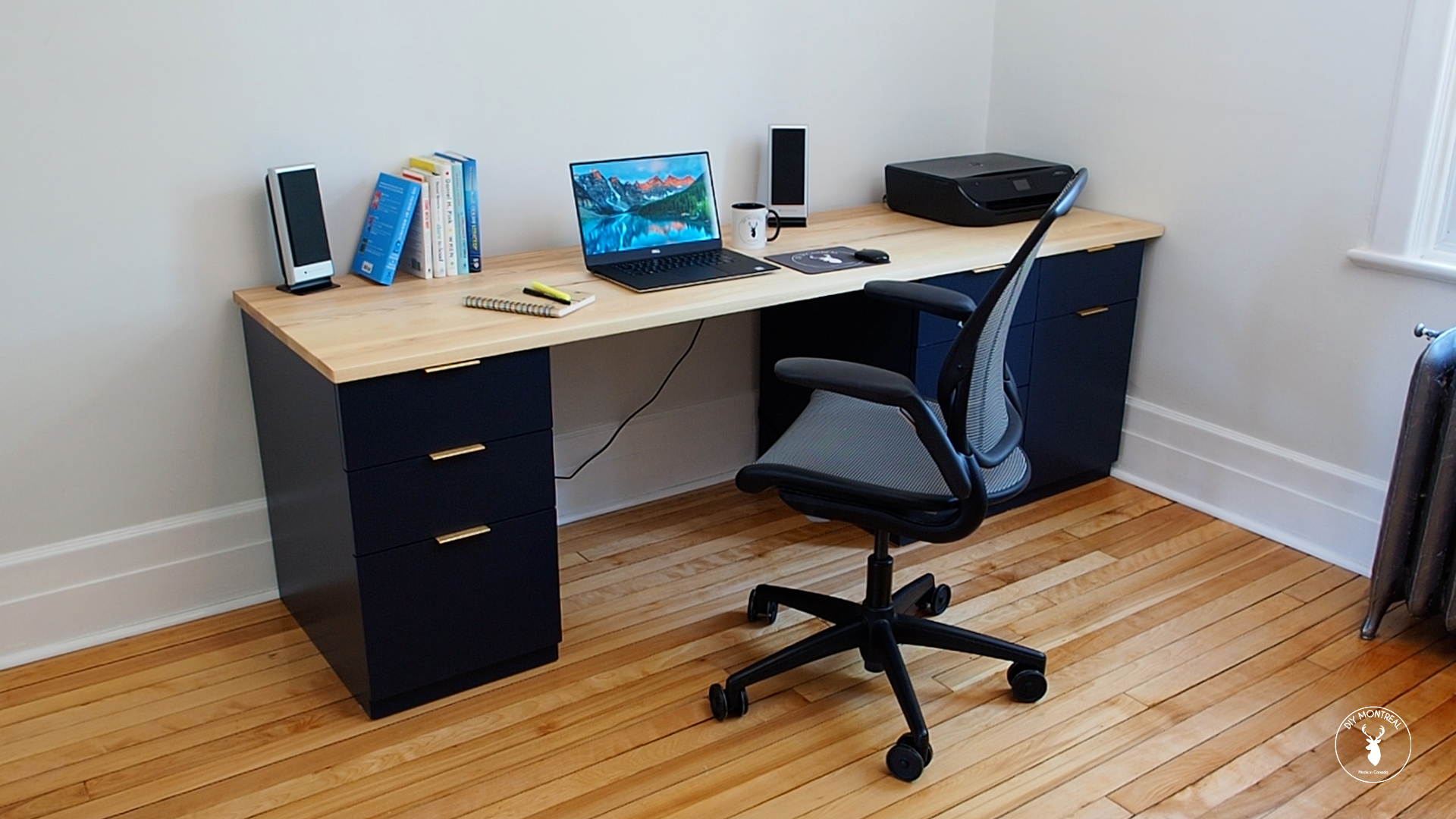
A Comprehensive Guide to Constructing a Custom Desk for Your Workspace
In the realm of workspace design, a custom desk holds a prominent position, offering a unique blend of functionality and aesthetics. This comprehensive guide will walk you through the meticulous process of crafting your dream desk, empowering you to create a workspace that perfectly reflects your individual needs and style.
Planning Your Custom Desk
Before diving into the construction phase, meticulous planning is paramount. This stage involves envisioning the ideal desk and translating that vision into concrete specifications.
1. Define Your Needs and Preferences
Begin by critically assessing your workspace requirements. Consider the following aspects:
- Intended Use: Will the desk primarily serve as a workstation for a laptop, a haven for creative pursuits, or a blend of both?
- Available Space: Measure the designated area for the desk, taking into account potential obstacles and desired clearance.
- Storage Needs: Determine the required storage space, factoring in the items you wish to keep organized.
- Ergonomics: Prioritize ergonomic comfort by considering your height and preferred sitting posture.
- Aesthetic Preferences: Visualize the overall style and color scheme of your workspace and select materials that complement your vision.
2. Sketching and Design
Once your needs are defined, start sketching. This step allows you to experiment with different layouts, dimensions, and features. Utilize a pencil and paper, or consider employing a digital design program.
- Dimensions: Determine the length, width, and height of the desk, ensuring it fits comfortably within your designated space.
- Work Surface: Plan the layout of the work surface, including any dedicated areas for your laptop, keyboard, mouse, monitor, or other essential items.
- Storage: Sketch in drawers, shelves, cubbies, or other storage solutions to organize your belongings.
- Legs and Base: Consider the style and construction of the legs and base, choosing a design that aligns with your overall aesthetic.
3. Choosing Materials
The selection of materials for your desk will significantly impact its durability, aesthetics, and functionality. Consider the following factors:
- Work Surface:
- Wood: Offers warmth and natural beauty, but requires regular maintenance. Popular choices include maple, cherry, walnut, and oak.
- Laminate: Durable and affordable, available in a wide range of colors and patterns.
- Metal: Modern and sleek, but can be cold to the touch.
- Glass: Creates a sophisticated look, but can be prone to scratches and fingerprints.
- Legs and Base:
- Wood: Offers a traditional and sturdy base.
- Metal: Provides a modern and minimalist aesthetic.
- Combination: Blends wood and metal for a unique and balanced look.
- Storage Solutions:
- Drawers: Ideal for organizing smaller items.
- Shelves: Offer open storage for larger objects.
- Cubbies: Provide versatile storage for a variety of items.
Construction: Bringing Your Desk to Life
With your design finalized and materials selected, it's time to embark on the rewarding journey of construction.
1. Cutting Materials
Accurately cutting materials to size is crucial for precise assembly. Utilize a table saw, circular saw, or miter saw for clean and precise cuts.
- Work Surface: Cut the work surface to your desired dimensions, ensuring it is level and free from imperfections.
- Legs and Base: Cut the legs and base pieces to length and shape, following your design specifications.
- Storage Components: Cut drawer fronts, shelf boards, and other storage components to size.
2. Assembling the Desk
The assembly process requires patience, precision, and the right tools. Begin by carefully assembling the desk frame and legs.
- Framing: Utilize wood glue and screws to assemble the desk frame. Ensure all joints are secure and level.
- Legs and Base: Attach the legs and base to the frame, ensuring they are firmly secured and aligned.
- Work Surface: Attach the work surface to the frame, using screws or clamps for a secure and level fit.
- Storage Components: Assemble drawers, shelves, and other storage components, following your design. Attach them to the desk frame or work surface.
3. Finishing Touches
Once the assembly is complete, it's time to add those final touches that elevate your desk to a true masterpiece.
- Sanding: Sand all surfaces to remove any roughness or imperfections.
- Finishing: Apply a stain, paint, or sealant to achieve the desired color and protection.
- Hardware: Install drawer pulls, knobs, hinges, and other hardware.
- Accessories: Add any desired accessories, such as cable management solutions, lighting fixtures, or a desk mat.
Safety Precautions
Constructing a custom desk involves power tools and sharp objects. Always prioritize safety throughout the process:
- Wear appropriate safety gear: Eye protection, ear protection, work gloves, and a dust mask are essential.
- Use power tools properly: Follow all instructions and safety guidelines provided by the manufacturer.
- Keep workspace clean and organized: Remove clutter and debris to minimize tripping hazards.
Enjoying Your Custom Desk
After all your hard work, you're ready to savor the fruits of your labor. A custom desk is a testament to your creativity and practicality, providing you with a workspace that is truly yours.
- Personalize your workspace: Arrange your belongings, add decorative elements, and personalize the desk to create a truly unique and inspiring workspace.
- Maintain your desk: Regular cleaning and maintenance will keep your desk looking its best and ensure its longevity.
0 comments:
Post a Comment