Wednesday, November 20, 2024

Quick Toolbox Organizer Projects for Extra Income

Quick Toolbox Organizer Projects for Extra Income

Quick Toolbox Organizer Projects for Extra Income

Hey there, fellow DIYer! Are you tired of your toolbox being a chaotic mess? Do you spend more time searching for tools than actually using them? Well, I've got some good news for you! Not only can you get your tools organized and easily accessible, but you can also make some extra cash doing it for others. That's right â€" turning your toolbox organization skills into a side hustle is easier than you think!

Think about it â€" everyone needs a well-organized toolbox, from homeowners tackling weekend projects to professional contractors working on complex jobs. And who better to help them get organized than someone who knows the ins and outs of tools and how to keep them in tip-top shape?

Let's dive into some quick and easy toolbox organizer projects that you can tackle to generate some extra income.

Toolbox Organization Services You Can Offer

Before we get into the details, let's brainstorm some specific services you can offer. Here are a few ideas to get your creative juices flowing:

  • **Toolbox Overhaul:** This is a complete toolbox makeover. You go through their existing tools, sort, clean, and organize them. This is a great option for people who are starting from scratch or have accumulated a lot of tools over time.
  • **Toolbox Customization:** This is about tailoring the toolbox to the client's specific needs. This might involve installing specialized tool holders, dividers, or even custom-made inserts. You can focus on specific trades like carpentry, plumbing, or electrical work.
  • **Tool Inventory and Labeling:** Help your clients take inventory of their tools and create a clear labeling system. This service is especially valuable for professional contractors who need to track their tools for insurance purposes.
  • **Tool Maintenance and Repair:** You can offer a basic maintenance service for tools like sharpening, cleaning, and oiling. For those with mechanical skills, you can even offer minor repairs for tools that need a bit of TLC.
  • **Mobile Toolbox Organization:** Take your services on the road! Go to your clients' homes or workplaces and organize their toolboxes on-site. This can be a great way to attract clients who might not have the time or space to do it themselves.

Getting Started: Building Your Toolbox Organization Business

Ready to turn this idea into reality? Here's a roadmap to get you started:

1. Define Your Niche and Target Audience

What kind of toolboxes do you want to work with? Are you focusing on homeowners, DIYers, professionals, or a specific trade? Once you know your niche, you can tailor your marketing and services to attract the right clients.

2. Showcase Your Skills

If you've already got a well-organized toolbox, that's a great starting point! Take clear, professional photos of your organized toolbox and highlight its features. Share your process and tips on social media platforms or create a website to showcase your expertise.

3. Pricing Your Services

Determine your pricing based on the scope of work and the time involved. Consider factors like:

  • **The size and complexity of the toolbox**
  • **The number of tools to be organized**
  • **Whether you're providing additional services like tool inventory, labeling, or repairs**

You can also offer different packages based on pricing, so clients have options.

4. Marketing and Promotion

Spread the word about your toolbox organization services! Here are some effective strategies:

  • **Social Media:** Use platforms like Facebook, Instagram, Pinterest, and Nextdoor to share photos, videos, and testimonials.
  • **Local Networking:** Attend home improvement events, community gatherings, and trade shows. Hand out business cards and flyers to potential clients.
  • **Online Marketplaces:** List your services on platforms like Craigslist, Facebook Marketplace, and Thumbtack.
  • **Word-of-Mouth:** Encourage satisfied customers to spread the word about your services through referrals.

Toolbox Organization Ideas

Here are some practical toolbox organization tips to get you started:

1. Sort and Categorize Your Tools

The first step is to declutter and sort your tools. Group similar tools together, like screwdrivers, wrenches, pliers, and hammers. This makes it easier to find the right tool when you need it.

2. Invest in Storage Solutions

There are countless options available to keep your tools organized. Here are a few popular choices:

  • **Tool Trays:** These trays can be used to separate and organize tools within drawers.
  • **Tool Roll-Ups:** Great for holding smaller tools and keeping them tidy.
  • **Tool Belts and Pouches:** Ideal for storing tools you need easy access to while working.
  • **Magnetic Strips:** Perfect for holding metal tools and keeping them off your workbench.
  • **Pegboards:** Use these boards to hang tools and create a visually appealing and functional storage system.

3. Labeling and Organization

Label your tools and storage containers to create a clear and consistent system. You can use:

  • **Permanent Markers:** Label containers, trays, and drawers directly with the type of tools they hold.
  • **Label Makers:** Create professional-looking labels for toolboxes, containers, and tools.
  • **Color-Coding:** Assign different colors to different tool categories for easy identification.

Toolbox Organization Tips for Clients

As a toolbox organizer, you can provide valuable advice to your clients to help them maintain their organized toolboxes.

  • **Regular Cleaning:** Encourage clients to clean their tools and workspaces regularly to prevent rust and debris buildup.
  • **Tool Maintenance:** Recommend a maintenance schedule for sharpening, oiling, and inspecting tools.
  • **Preventative Measures:** Advise clients on ways to protect their tools from damage, like using tool covers and storing them in a dry place.
  • **Inventory Management:** Help clients create a system for tracking tools, especially if they work with expensive equipment.

Commonly Asked Questions

Here are some questions you might encounter as you build your toolbox organization business:

1. What tools and equipment do I need to get started?

You'll need basic cleaning supplies, like rags, brushes, and a vacuum. Invest in a good set of screwdrivers, wrenches, and pliers for making any necessary adjustments to the toolboxes.

2. What if I don't have much experience with organizing toolboxes?

Start with smaller projects and gradually build your skills. Offer basic organization services like sorting, cleaning, and labeling tools. As you gain experience, you can expand your offerings to more complex tasks.

3. How do I find clients for my toolbox organization service?

Use a combination of online and offline marketing strategies. Promote your services on social media, local community websites, and by attending home improvement events.

4. How much can I expect to earn?

Your earnings will depend on the scope of your services, your pricing, and the number of clients you acquire. Start by setting competitive rates and gradually increase your prices as you gain experience and build a solid client base.

You can also offer additional services like tool repairs, custom toolbox building, or tool inventory management to expand your offerings and increase your income potential.

Ready to get organized and earn some extra cash? Put your toolbox organization skills to work and turn your passion for tools into a rewarding side hustle!
Budget-Friendly Woodworking Projects That Sell Quickly

Budget-Friendly Woodworking Projects That Sell Quickly

Budget-Friendly Woodworking Projects That Sell Quickly

Looking to turn your woodworking hobby into a profitable side hustle? You're in luck! With a little creativity and some smart choices, you can create budget-friendly woodworking projects that are sure to sell quickly and earn you some extra cash. This article will guide you through some popular and profitable options, perfect for beginners and seasoned woodworkers alike.

Focus on Functional and Stylish Items

The key to success lies in creating items that people actually need and want. Think about what's trending, what's practical, and what's aesthetically pleasing. Avoid overly niche items that may appeal to only a small audience.

Popular Choices for Quick Sales:

  • Cutting Boards: These are always in demand. Get creative with shapes, sizes, and wood types to offer unique options.
  • Charcuterie Boards: Perfect for entertaining, these are a hot commodity. Offer different sizes, shapes, and wood combinations for added variety.
  • Coasters: Simple yet stylish, coasters are a great entry point. Explore different wood types and decorative elements.
  • Serving Trays: Functional and decorative, serving trays can cater to different styles. Offer a variety of wood types, finishes, and sizes.
  • Planters: Outdoor living is trending! Explore simple and elegant planters made from reclaimed wood or budget-friendly woods like cedar.
  • Jewelry Boxes: These are a perfect way to showcase your woodworking skills. Offer various sizes, styles, and wood types.

Source Affordable Materials

Don't break the bank on materials! There are many affordable options available that can still deliver high-quality results.

Smart Material Sourcing:

  • Reclaimed Wood: Often free or inexpensive, reclaimed wood adds character and sustainability to your projects.
  • Pine and Cedar: These are budget-friendly softwoods that work well for a range of projects.
  • Local Lumber Yards: Support local businesses and often find better prices than big box stores.
  • Online Auctions and Classifieds: Look for discounted or surplus wood on platforms like Craigslist or eBay.

Maximize Your Profits with Simple Finishes

Avoid expensive finishes that can eat into your profits. Choose simple and effective options like natural oils, waxes, or stains.

Budget-Friendly Finishing Options:

  • Mineral Oil and Beeswax: A classic and natural finish that enhances the wood's natural beauty.
  • Water-Based Polyurethane: A durable finish that is easy to apply and dries quickly.
  • Simple Stains: Enhance the color and grain of the wood without being overly complex.

Market Your Products Effectively

Once your projects are complete, it's time to get them in front of potential buyers. Utilize online marketplaces and local events to reach a wider audience.

Effective Marketing Strategies:

  • Etsy: A popular platform for handmade goods, perfect for showcasing your woodworking creations.
  • Local Craft Fairs and Markets: Connect with customers in person and showcase your work directly.
  • Social Media: Use platforms like Instagram and Facebook to share your work and build an online presence.
  • Local Businesses: Partner with local shops or cafes to sell your products on consignment.

With a focus on functional, stylish items, budget-friendly materials, and smart marketing, you can turn your woodworking hobby into a successful and profitable side hustle. So, grab your tools, unleash your creativity, and start crafting those woodworking projects that will sell quickly and earn you some extra cash!

Rustic Christmas Wood Crafts for a Cozy Holiday

Rustic Christmas Wood Crafts for a Cozy Holiday

Rustic Christmas Wood Crafts for a Cozy Holiday

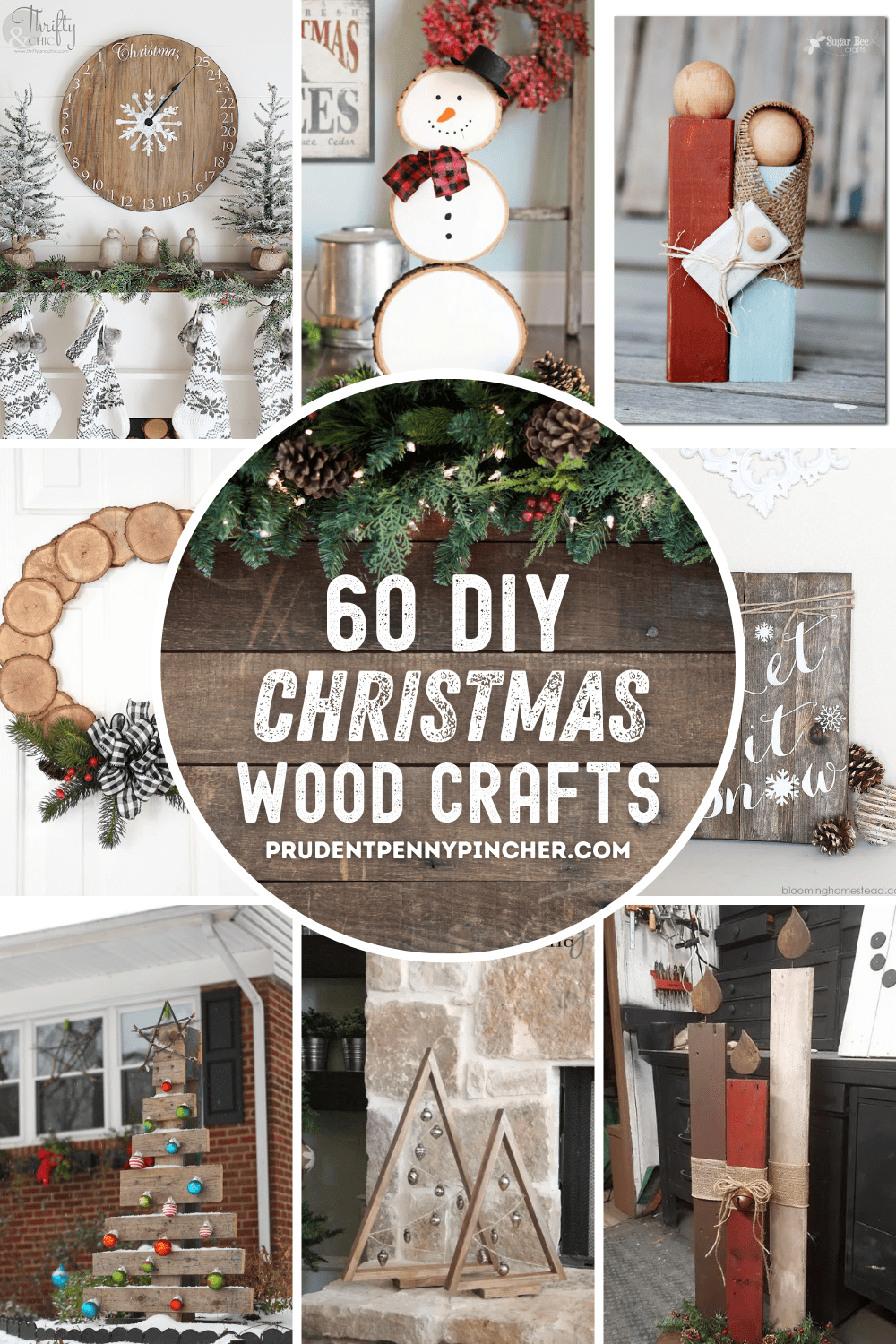
As the crisp air of winter settles in, the spirit of Christmas begins to stir. There’s a magic in the season that calls for warmth, laughter, and cozy gatherings. What better way to embrace the holiday spirit than with rustic wood crafts that bring a touch of natural elegance to your home? These handcrafted treasures will transform your space into a winter wonderland, radiating the charm of a bygone era.

Crafting a Rustic Christmas Tree

Imagine a centerpiece that embodies the true essence of Christmas â€" a rustic wooden tree adorned with charming decorations. You can build one from scratch using reclaimed wood or repurposed materials, giving new life to old wood and creating a unique and sustainable piece. The process is surprisingly simple.

Materials You’ll Need:

To start, gather these essential materials:

  • Wooden planks or branches of varying sizes and thicknesses
  • Saw, drill, and sandpaper for shaping and smoothing the wood
  • Wood glue for securing the pieces
  • Twine, ribbon, or rustic wire for hanging ornaments
  • Natural decorations such as pinecones, dried berries, cinnamon sticks, or dried oranges
  • LED fairy lights for a warm glow

The beauty of this project lies in its adaptability. You can personalize the tree’s size and shape to perfectly suit your space. Embrace the imperfections of the wood, as they add to its charm and uniqueness.

Crafting Wooden Ornaments with Character

Wooden ornaments are a delightful way to add a touch of rustic charm to your Christmas tree. You can find pre-cut wooden shapes at most craft stores, or get creative with wood slices from your own backyard.

Simple Ideas for Wooden Ornaments:

Here are some creative ideas to inspire you:

  • Paint whimsical designs: Use acrylic paints in festive colors to create intricate snowflakes, reindeer, or Santa Claus figures.
  • Embellish with natural elements: Adorn the ornaments with pinecones, dried berries, or tiny sprigs of evergreen for a touch of nature.
  • Add a personal touch with lettering: Use woodburning tools to carve messages, names, or dates onto the ornaments.
  • Wrap them in twine: Give a rustic look to simple ornaments by wrapping them with twine and adding a small wooden bead for decoration.

Each ornament will be a unique reminder of the holiday season, reflecting your creativity and the warmth of your home.

Wooden Gift Tags for a Personalized Touch

Looking for a heartfelt way to add a personal touch to your gifts? Look no further than rustic wooden gift tags! Create a sense of warmth and authenticity by handcrafting tags from salvaged wood or purchasing pre-cut ones. The possibilities are endless when it comes to decorating these tags.

Ideas for Personalizing Wooden Gift Tags:

Let your creativity guide you:

  • Use natural elements: Glue on dried berries, tiny pinecones, or sprigs of rosemary for a natural and charming touch.
  • Add a personal message: Use paint pens or woodburning tools to write heartfelt messages, names, or seasonal greetings.
  • Decorate with twine and beads: Wrap the tags in twine and add a few wooden beads or small bells for a whimsical touch.
  • Embellish with festive patterns: Paint festive patterns or designs on the tags using acrylic paints and stencils.

Your unique creations will make your gifts extra special, reminding your loved ones of the thoughtfulness and care you put into each present.

Crafting Rustic Wooden Lanterns

Rustic wooden lanterns add a magical touch to your holiday decor, casting a warm glow that sets the mood for cozy evenings. You can use salvaged wood or purchase pre-made lantern kits to create these charming pieces.

Transforming Wooden Lanterns:

Here are some ideas to personalize your lanterns:

  • Add a touch of woodburning art: Use a woodburning tool to carve festive designs, snowflakes, or Christmas greetings onto the wood.
  • Use paint to create a whimsical scene: Paint a wintry forest scene, a cozy cabin, or a festive village onto the lantern.
  • Decorate with natural elements: Attach pinecones, sprigs of evergreen, or dried berries around the lantern for a touch of nature.
  • Add a touch of warmth with LED lights: Place a string of LED fairy lights inside the lantern for a soft and inviting glow.

As the soft light from your lanterns dances around the room, it will create an ambiance of warmth and festivity, reminding you of the joy of the season.

These rustic wood crafts are a delightful way to infuse your Christmas decor with the charm of nature and the warmth of handcrafted details. Embrace the joy of creating these treasures, and let their rustic beauty fill your home with the spirit of the season.

Monday, November 18, 2024

DIY Welcome Signs for the Home That Sell Well

DIY Welcome Signs for the Home That Sell Well

DIY Welcome Signs for the Home That Sell Well

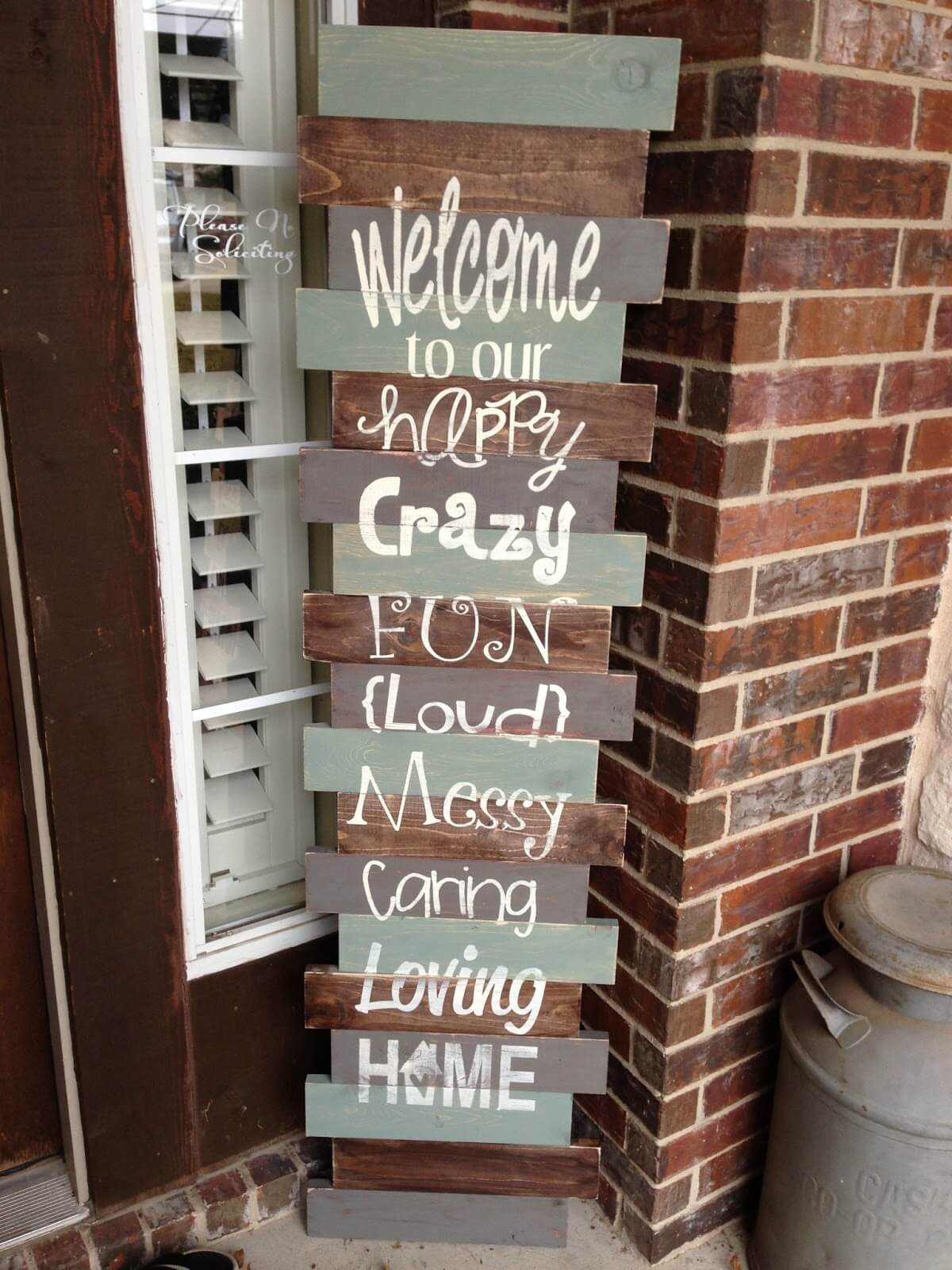
Creating a welcoming and inviting ambiance at your home is a key factor in boosting curb appeal. A well-crafted DIY welcome sign can elevate your home's charm and add a personalized touch. But beyond aesthetics, these signs can also be a lucrative endeavor. With a touch of creativity and a keen eye for design, you can craft welcome signs that not only enhance your home but also attract potential buyers, generating a good return on investment.

Key Factors for Success

Before you pick up your paintbrush or hammer, consider these key factors that can make your DIY welcome signs a success:

Target Audience

Think about who you're trying to reach with your signs. Are you targeting families, young professionals, or a specific style aesthetic? Understanding your audience will help you determine the appropriate colors, fonts, and themes.

Materials and Style

Experiment with different materials like wood, metal, or reclaimed items to create unique and eye-catching signs. Consider the style of your home and neighborhood when choosing materials and design elements. A rustic sign might be perfect for a farmhouse, while a modern sign with clean lines might be ideal for a contemporary home.

Personalization

Personalized touches add a special element to your signs. Consider incorporating your home's address, a family name, or a meaningful quote that reflects your personality.

Trending Welcome Sign Ideas

Here are some popular welcome sign ideas that often resonate with potential buyers:

Rustic Charm

Embrace the warmth and natural beauty of wood with a rustic welcome sign. Use reclaimed barn wood or distressed planks for a vintage feel. Add touches of rustic charm with elements like twine, metal accents, and greenery.

Modern Minimalism

For a sleek and contemporary look, create a welcome sign using clean lines, geometric shapes, and bold typography. Metal, acrylic, or even painted canvas can be used for a modern aesthetic.

Seasonal Flair

Embrace the changing seasons with themed welcome signs. Use fall colors, wintery landscapes, or spring blooms to create a welcoming atmosphere. These signs can be rotated seasonally to keep your curb appeal fresh.

Tips for Crafting a Winning Welcome Sign

Now that you have some inspiration, let's dive into the practical tips for crafting a DIY welcome sign that sells:

  • Use High-Quality Materials: Invest in durable materials that will withstand the elements and last for years. This demonstrates attention to detail and quality craftsmanship.
  • Keep It Concise: A short and sweet message is more impactful than a long, rambling one. Stick to simple greetings like "Welcome Home" or "Our Happy Place."
  • Choose a Readable Font: Select a font that is easy to read from a distance and complements the overall style of your sign.
  • Pay Attention to Color: Choose colors that are inviting and complement your home's exterior. Consider using contrasting colors for a bold statement.
  • Add Visual Interest: Incorporate elements like decorative hardware, stencils, or even hand-painted details to add personality and dimension to your sign.

Selling Your DIY Welcome Signs

If you're looking to turn your crafting skills into a side hustle, here are some ways to sell your DIY welcome signs:

  • Online Marketplaces: List your signs on platforms like Etsy, Facebook Marketplace, or Craigslist.
  • Local Craft Shows: Showcase your signs at craft fairs and farmers markets. This allows you to interact with potential customers and gain valuable feedback.
  • Social Media: Use Instagram, Pinterest, and Facebook to promote your signs and build a following.
  • Partner with Local Businesses: Collaborate with home décor stores, gift shops, or real estate agents to sell your signs through their channels.

With a little creativity and effort, you can craft DIY welcome signs that not only enhance your home's charm but also become a profitable venture. Remember to focus on quality materials, a thoughtful design, and a personal touch to create signs that resonate with potential buyers and add a warm welcome to every doorstep.

Wednesday, November 13, 2024

Christmas Wood Craft Projects You Can Make in a Day

Christmas Wood Craft Projects You Can Make in a Day

Christmas Wood Craft Projects You Can Make in a Day

The holidays are a time for warmth, cheer, and of course, crafting! If you’re looking for some festive DIY projects to add a touch of handmade charm to your Christmas décor, wood crafts are a fantastic option. They offer a natural, rustic appeal and are incredibly versatile. The best part? Many wood crafts can be completed in a single day, leaving you with plenty of time to enjoy the holiday spirit.

Easy Christmas Wood Crafts for Beginners

Even if you’re new to woodworking, these projects are simple enough for beginners to tackle. They require minimal tools and offer a great way to test the waters of wood crafting.

1. Wooden Christmas Ornaments

Wooden ornaments are a timeless classic that can be customized to your liking. You can use pre-cut wooden shapes, like stars, snowflakes, or reindeer, or get creative with your own designs. Simply paint, stain, or decoupage your ornaments with festive motifs and add a ribbon for hanging.

2. Wooden Christmas Sign

A simple wooden sign with a festive message can instantly elevate your holiday décor. Choose a piece of wood with a rustic or distressed look, and paint or stain it to your liking. Add a seasonal quote or a cheerful “Merry Christmas” message with your choice of lettering style and embellishments.

3. Wooden Advent Calendar

A wooden Advent calendar is a delightful way to count down to Christmas. You can build a simple calendar from wooden blocks or even use a wooden crate or box. Paint the boxes or blocks with festive colors and numbers, and fill them with small treats or gifts.

More Advanced Christmas Wood Crafts

For those with a little more experience or who want to challenge themselves, these wood crafts offer a higher level of detail and creativity.

1. Wooden Christmas Tree

A wooden Christmas tree is a beautiful and unique centerpiece for your holiday décor. You can create a tree from scratch using wood scraps or buy a pre-cut wooden tree kit. Shape the wood into a tree form, add details like branches and ornaments, and paint it in your favorite Christmas colors.

2. Wooden Christmas Village

A miniature Christmas village is a charming and heartwarming addition to your holiday display. You can use wood to craft your own houses, shops, and other buildings. You can find detailed plans online or simply let your imagination guide you. Paint the structures with festive colors and add tiny Christmas lights for a magical touch.

3. Wooden Christmas Wreath

A rustic wooden wreath is a perfect way to bring the outdoors in. You can use branches of pine, cedar, or fir, or even use pre-cut wooden shapes to create a unique wreath form. Attach decorative elements like pine cones, berries, and ribbons to complete your rustic masterpiece.

Tips for Success

Here are some tips for creating beautiful and lasting Christmas wood crafts:

  • Plan your project: Before you start, sketch out your design and gather all the necessary materials and tools.
  • Use high-quality wood: Choose wood that is durable and resistant to warping or cracking.
  • Prepare the wood: Sand the wood smooth to ensure a smooth finish and prevent splinters.
  • Use appropriate paints and stains: Select paints and stains that are specifically designed for wood and are water-resistant.
  • Let dry completely: Allow paint and stain to dry thoroughly before applying additional layers or assembling your project.

With a little creativity and effort, you can create stunning Christmas wood crafts that will bring joy to you and your loved ones for years to come.

Artisan Woodworking Ideas for Gift Giving

Artisan Woodworking Ideas for Gift Giving

Artisan Woodworking Ideas for Gift Giving

Looking for a unique and heartfelt gift that will truly impress? Look no further than artisan woodworking! Crafted with care and skill, these pieces are more than just objects; they're expressions of creativity and dedication. From elegant home décor to practical tools, the possibilities are endless. In this guide, we'll explore a range of woodworking gift ideas, offering inspiration for every recipient and occasion.

Personalized Wooden Gifts

Show someone you care by gifting them a piece of wood that's as unique as they are. Here's where personalization takes center stage:

Engraved Cutting Boards

Cutting boards are a kitchen essential, and an engraved one adds a touch of elegance. Choose from various wood types like cherry, walnut, or maple, and personalize it with a name, date, or special message. Imagine a cutting board commemorating a wedding anniversary or a new home, a thoughtful touch that will be cherished for years.

Custom Wooden Boxes

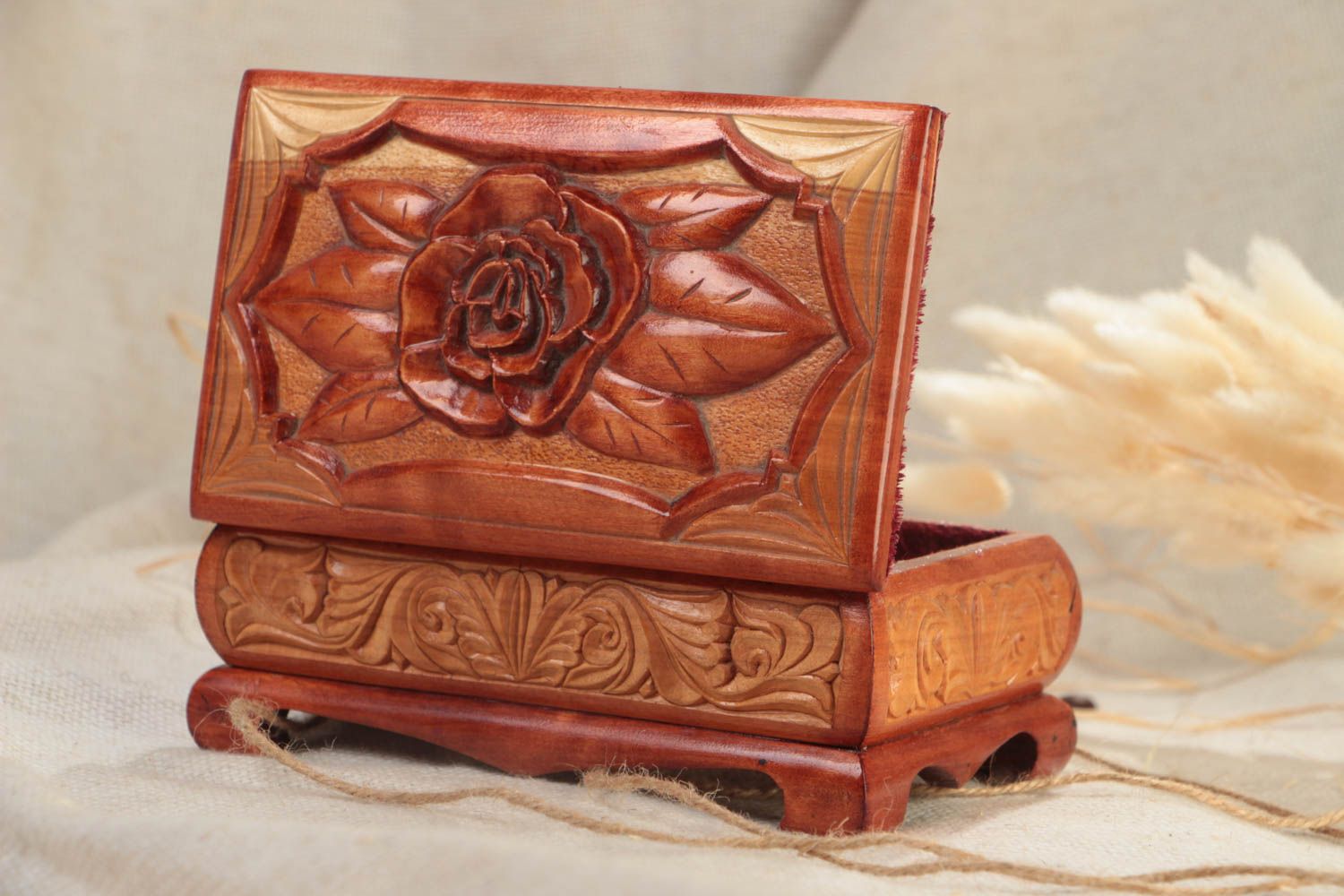
Wooden boxes are perfect for storing jewelry, keepsakes, or even small tools. You can personalize them with intricate carvings, painted designs, or even engraved initials. They're a fantastic way to add a rustic charm to any space.

Personalized Wooden Signs

Add a touch of rustic charm to any room with a personalized wooden sign. Display a welcome message, a favorite quote, or even a family name. You can choose from various styles, fonts, and finishes to match the recipient's taste.

Functional Wooden Gifts

Beyond aesthetics, woodworking offers practical gifts that can be used daily. Consider these functional options:

Wooden Utensil Sets

These sets are not only beautiful but also durable and eco-friendly. Choose from various woods, like olive wood or bamboo, for a natural and sophisticated look. These sets are a welcome addition to any kitchen, adding a touch of elegance to everyday meals.

Wooden Pens and Pencils

For the writer or artist in your life, consider a handcrafted wooden pen or pencil. They're a unique and thoughtful gift that will be appreciated for their craftsmanship and quality. Choose from different woods, finishes, and engravings to create a truly personalized piece.

Wooden Phone Stands

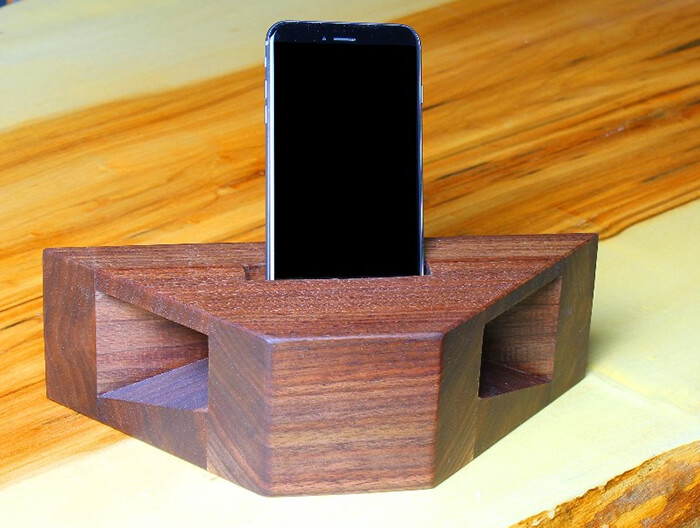
These stands offer a stylish way to keep phones in place while charging or watching videos. Choose from various wood types, finishes, and designs to match the recipient's style. It's a small but practical gift that will be used daily.

Unique Wooden Gift Ideas

For those who appreciate the extraordinary, consider these unique wooden gift ideas:

Wooden Wall Art

A wooden wall art piece can add depth and character to any space. From intricate carvings to abstract designs, there's a style for every taste. Think of nature-inspired pieces, geometric patterns, or even a custom family crest.

Wooden Toys

For children, a handcrafted wooden toy is a gift that will last for generations. Choose from classic toys like wooden trains, building blocks, or puzzles. Not only are these toys durable and safe, but they also encourage creativity and imaginative play.

Wooden Jewelry

Wood is a versatile material for jewelry. Choose from unique earrings, pendants, bracelets, or even rings. The natural grain and textures of the wood add a touch of elegance and individuality. They make a perfect gift for those who appreciate handmade and one-of-a-kind pieces.

Finding the Perfect Artisan

The beauty of artisan woodworking lies in the individuality of each piece. To find the perfect creator for your gift, explore local craft markets, online platforms, or even woodworking studios in your area. Connect with the artisan and discuss your vision for the perfect gift. Remember, the most memorable gifts are those infused with personal touches.

When choosing a wooden gift, consider the recipient's personality, interests, and home décor. Think about what they would truly appreciate and use. With a little research and creativity, you can find the perfect artisan woodworking gift that will be cherished for years to come.

Best Woodworking Gifts: Top Picks for Every Skill Level

Best Woodworking Gifts: Top Picks for Every Skill Level

Best Woodworking Gifts: Top Picks for Every Skill Level

Looking for the perfect woodworking gift for the woodworker in your life? Whether they’re a seasoned pro or just starting out, there’s a gift out there that will make them smile. From essential tools to luxurious finishing supplies, we’ve curated a list of top picks for every skill level. Let's dive in!

For the Beginner Woodworker

Starting out in woodworking can be overwhelming, but it’s also incredibly rewarding. These gifts will help your beginner woodworker get started on the right foot.

Beginner Woodworking Kit

A starter kit is the perfect way for a beginner to get their hands on all the essential tools they’ll need. Look for a kit that includes a variety of hand tools like chisels, saws, and a hammer. There are kits for specific projects too!

Woodworking Book

A good book can teach a beginner the fundamentals of woodworking, from safety to basic techniques. Choose a book that covers the types of projects your recipient is interested in, such as furniture making or carving.

Safety Glasses and Dust Mask

Safety should be a top priority for any woodworker, especially beginners. A pair of safety glasses and a dust mask will help protect them from flying debris and sawdust.

For the Intermediate Woodworker

Intermediate woodworkers are ready to take on more complex projects and refine their skills. These gifts will help them elevate their craft.

High-Quality Hand Plane

A good hand plane is a must-have for any woodworker. It allows for precise shaping and smoothing of wood. Choose a plane made from quality materials and with a comfortable grip.

Router Table

A router table is a versatile tool that allows for a wide range of cuts and shapes. It’s a great addition to any woodworker’s shop.

Woodworking Jigs and Clamps

Jigs and clamps are essential for holding and guiding wood during cutting, drilling, and assembly. Choose a set of jigs and clamps that will be useful for the types of projects your recipient works on.

For the Advanced Woodworker

Advanced woodworkers have honed their skills and are looking for the best tools and materials to create truly stunning work. These gifts will help them take their craft to the next level.

Power Planer

A power planer is a powerful tool that can quickly and easily smooth and flatten boards. It’s a must-have for anyone who works with rough lumber.

High-Quality Woodworking Finishes

A great finish can truly elevate a woodworking project. Consider gifting high-quality oil, wax, or lacquer. Choose a finish that’s appropriate for the type of wood and the intended use of the project.

Custom-Made Tool Organizer

Advanced woodworkers have a lot of tools! A custom-made tool organizer will keep their shop tidy and their tools easily accessible. You could even make one yourself!

No matter the woodworker’s skill level, these gifts are sure to be appreciated. With a little thoughtfulness, you can find the perfect woodworking gift that will help them continue to grow their skills and create beautiful pieces.

Handcrafted Jewelry Box: The Perfect Woodworking Gift

Handcrafted Jewelry Box: The Perfect Woodworking Gift

Handcrafted Jewelry Box: The Perfect Woodworking Gift

In the realm of woodworking, there's a certain charm to creating pieces that go beyond mere functionality. A handcrafted jewelry box isn't just a container for precious trinkets; it's a testament to your skills, a piece of art, and a gift that speaks volumes about your thoughtfulness. Imagine the joy on the recipient's face as they open the box, revealing a meticulously crafted treasure chest brimming with their cherished jewelry. This article will guide you through the process of crafting the perfect jewelry box, from design considerations to finishing touches, ensuring your gift is truly a masterpiece.

Choosing the Right Wood

The first step is selecting the right wood for your jewelry box. This decision is crucial, as the wood's grain, color, and durability will significantly influence the final aesthetic. Consider these factors:

Grain Pattern

The grain pattern of the wood adds visual interest and character. For a classic look, opt for hardwoods like walnut or cherry, which have beautiful swirling patterns. If you prefer a more contemporary vibe, maple or birch, with their straight and consistent grain, might be a better choice.

Color and Finish

Think about the overall color scheme and finish you envision. A dark wood like mahogany will create a rich and elegant feel, while a light wood like pine will offer a more rustic and understated aesthetic. Consider the color of the jewelry the box will hold to ensure a harmonious color palette.

Durability

Hardwoods are generally more durable than softwoods, making them ideal for jewelry boxes that will be handled frequently. Walnut, cherry, and maple are known for their strength and resistance to scratches.

Designing the Jewelry Box

Once you've chosen your wood, it's time to put your creativity to work and design the jewelry box. Consider these elements:

Size and Shape

The size of the box should be proportional to the amount of jewelry it will hold. A small box is perfect for rings and earrings, while a larger box can accommodate necklaces and bracelets. The shape can be traditional, with a rectangular or square base, or more contemporary with a curved or rounded design.

Compartments and Drawers

Adding compartments and drawers can help organize jewelry and make it easier to find specific pieces. A small drawer for rings, separate compartments for earrings and necklaces, or even a mirror in the lid are all great additions to enhance functionality.

Decorative Elements

To give your jewelry box a personalized touch, incorporate decorative elements like inlays, carvings, or hand-painted details. You can also use different wood species for accents, like a contrasting wood for the edging or a unique wood for the lid.

Crafting the Jewelry Box

With your design in mind, it's time to start crafting the jewelry box. Here's a step-by-step guide:

Cut the Wood

Begin by cutting the wood to your desired dimensions using a saw or table saw. Ensure your cuts are precise and accurate to ensure a well-fitting box.

Assemble the Box

Once the pieces are cut, use glue and clamps to assemble the box. You can choose between traditional joinery techniques like dovetail joints or simpler methods like butt joints reinforced with screws.

Create Compartments and Drawers

If your design includes compartments or drawers, carefully measure and cut the wood for these elements. Construct them using the same techniques as the box itself.

Sand and Finish

After assembling the box, sand it thoroughly using progressively finer grit sandpaper to create a smooth and even surface. Apply a finish of your choice, such as oil, wax, or varnish, to protect the wood and enhance its beauty.

Adding Finishing Touches

The finishing touches are what truly elevate a handcrafted jewelry box from good to exceptional. Consider these options:

Hardware

Choose elegant hinges and a sturdy latch to complete the box's exterior. You can find a wide range of hardware in different finishes to match your design aesthetic.

Linings

Line the interior of the box with soft fabric like velvet or felt to protect jewelry from scratches and add a luxurious feel. You can also use decorative paper or patterned fabric for a unique touch.

Personalization

To make your gift truly special, personalize the jewelry box with an engraved message, a decorative monogram, or a special inscription that reflects the recipient's interests.

The Gift of Craftsmanship

A handcrafted jewelry box is more than just a functional storage solution; it's a symbol of your skill, creativity, and love. Each meticulously crafted detail, from the wood selection to the finishing touches, tells a story and adds a personal touch that makes the gift truly unique. When you present a handcrafted jewelry box to a loved one, you're not just giving them a beautiful container for their treasures, but also a tangible expression of your affection, something they will cherish for years to come.

Thoughtful Woodworking Gifts for Any Season

Thoughtful Woodworking Gifts for Any Season

Thoughtful Woodworking Gifts for Any Season

Looking for a truly special gift for the woodworker in your life? Look no further than the world of woodworking! It's a hobby full of passion, creativity, and attention to detail, making it the perfect source for unique and thoughtful gifts. And the best part? You can find something for every occasion, from birthdays and holidays to housewarming parties and "just because" moments.

So, whether you're shopping for a seasoned pro or a budding woodworker, this guide has you covered. We'll explore a variety of ideas, from practical tools and essential supplies to personalized projects and even unique experiences. Let's dive in and discover the perfect woodworking gift!

Tools That Will Make Their Heart (and Projects) Sing

Every woodworker, no matter their experience level, can always use a new tool or two. But when choosing a tool, it's crucial to consider their existing collection and what they might need to elevate their work.

For the Beginner Woodworker:

A beginner woodworker will appreciate tools that are both functional and affordable, helping them build a solid foundation. Here are a few ideas:

  • A quality hand saw is an essential tool for any woodworker, allowing for precise cuts. Consider a Japanese pull saw for its smooth and clean cuts.
  • A chisel set is invaluable for shaping and carving wood. Look for a beginner-friendly set with a variety of sizes.
  • A clamping system is essential for holding wood securely during projects, especially for beginners who might be less experienced with working with wood.

For the Intermediate Woodworker:

Intermediate woodworkers are ready to tackle more complex projects and need tools that offer more versatility and precision.

  • A router can be a game-changer for creating intricate designs, edges, and grooves. Choose a model with a variety of bits for different applications.
  • A hand plane allows for precise planing and smoothing of wood surfaces, adding a beautiful hand-crafted touch to projects.
  • A high-quality drill press offers unparalleled accuracy and control for drilling holes, perfect for building intricate designs and furniture.

For the Advanced Woodworker:

Advanced woodworkers are looking for tools that elevate their craft and allow them to explore more complex techniques. These tools are often high-end and represent a significant investment.

  • A band saw is a versatile tool capable of making precise curves and intricate cuts. Consider a model with a large table and powerful motor for demanding projects.
  • A jointer is a must-have for creating perfectly flat and smooth surfaces, essential for professional-quality projects.
  • A high-quality woodworking vise provides maximum clamping force and versatility for various woodworking tasks.

Woodworking Supplies That Spark Creativity

Beyond tools, there are essential supplies that every woodworker needs to bring their projects to life. A thoughtful gift in this category can be a welcomed addition to their workshop!

For the Beginner Woodworker:

  • A starter set of wood glue is essential for bonding wood pieces together. Choose a high-quality formula for strong, reliable bonds.
  • A selection of sandpaper in various grits is crucial for smoothing and finishing wood surfaces. Look for a variety pack to cover various sanding needs.
  • A set of wood finishes, like oil, varnish, or stain, allows the woodworker to protect and enhance their work.

For the Intermediate Woodworker:

  • A set of high-quality wood carving tools allows for precise and detailed carvings, adding intricate elements to projects.
  • A woodworking measuring tape with fractional and metric measurements provides accuracy and ease of use.
  • A set of wood turning chisels opens up a new world of possibilities for creating beautiful bowls, vases, and other turned objects.

For the Advanced Woodworker:

  • A set of high-end woodturning tools made from premium materials like high-carbon steel offers superior performance and durability.
  • A woodworking planer helps to achieve precise thickness and smoothness on wooden boards, essential for high-quality woodworking projects.
  • A set of professional-grade wood finishes, including oil, varnish, and stain, provides exceptional durability and protection for their finished pieces.

Personalized Woodworking Gifts That Speak to Their Passion

For a truly unique and thoughtful woodworking gift, consider a personalized project that celebrates their love for woodworking. It’s a gift that will be cherished for years to come.

Personalized Tools:

  • A custom-engraved hand plane with their initials or a special message adds a personal touch to a valuable tool.
  • A personalized chisel set with their name or a meaningful quote adds a special touch to this essential tool.
  • A engraved wooden tool chest provides a stylish and functional storage solution for their woodworking tools.

Hand-Crafted Gifts:

  • A handmade wooden cutting board with their initials or a special design is both practical and unique.
  • A personalized wooden sign with their name or a favorite quote adds a personal touch to their workspace or home.
  • A custom-made wooden box for storing special keepsakes or tools adds a unique and personal touch to their woodworking projects.

Experiences That Fuel Their Woodworking Journey

For the woodworker who has it all, consider gifting an experience that allows them to learn new skills, explore different techniques, or connect with other woodworking enthusiasts.

  • A woodworking workshop offers hands-on instruction and a chance to learn new techniques or refine existing skills.
  • A woodworking retreat provides a relaxing and inspiring environment to focus on their woodworking passion, surrounded by nature and fellow enthusiasts.
  • A membership to a woodworking club allows them to connect with other woodworkers, share ideas, and participate in woodworking events.

No matter your budget or the occasion, there's a thoughtful woodworking gift out there to celebrate their passion. Remember, the best gifts are those that are both practical and personal. By considering their interests and skill level, you can find a gift that will bring a smile to their face and inspire them to create something beautiful.

Creative Woodworking Gifts for Family and Friends

Creative Woodworking Gifts for Family and Friends

Creative Woodworking Gifts for Family and Friends

Woodworking, a timeless craft that blends artistry and skill, offers a unique opportunity to create meaningful and personalized gifts for loved ones. Whether you're a seasoned woodworker or just starting out, the warmth and beauty of wood can transform simple objects into cherished keepsakes. From practical home decor to whimsical creations, here's a guide to crafting woodworking gifts that will impress and delight your family and friends.

Personalized Home Decor

Transform your woodworking skills into functional and stylish home decor that reflects your loved ones' personalities and tastes.

Custom Cutting Boards

Cutting boards are an indispensable kitchen tool, and a personalized one makes a thoughtful gift. Choose a beautiful wood like maple or walnut, and consider adding engravings, inlays, or even a personalized message.

Personalized Picture Frames

Frame cherished memories with custom-made picture frames. Experiment with different wood types, finishes, and embellishments. For a unique touch, incorporate a special family crest or an inscription that holds meaning.

Wooden Serving Trays

Elegant wooden serving trays elevate any gathering. Create a tray with a unique shape, incorporate decorative elements like handles or inlaid designs, and personalize it with a family name or special occasion.

Functional and Practical Gifts

Woodworking gifts are not only beautiful but also practical, adding a touch of warmth and craftsmanship to everyday life.

Wooden Utensil Holders

A stylish utensil holder adds organization and charm to any kitchen. Choose a beautiful wood like cherry or oak, and experiment with different shapes, such as cylindrical, rectangular, or even a whimsical design.

Wooden Coasters

Protect furniture and add a decorative touch with handcrafted wooden coasters. Consider using wood scraps, creating unique shapes, or adding personalized engravings.

Wooden Jewelry Boxes

A beautifully crafted wooden jewelry box provides a safe and elegant home for treasured accessories. Use intricate joinery techniques and incorporate decorative elements like hinges and latches.

Whimsical and Creative Gifts

Let your imagination run wild and create unique woodworking gifts that bring joy and wonder.

Wooden Toys

Wooden toys are timeless and enduring, and a thoughtful gift for children of all ages. Create a simple wooden puzzle, a whimsical rocking horse, or a set of building blocks.

Personalized Wall Art

Add character to any space with custom wooden wall art. Create a unique design using different wood types, stains, and textures. Consider incorporating family names, initials, or special dates for a personalized touch.

Wooden Birdhouses and Feeders

Attract wildlife to your loved ones' gardens with handcrafted birdhouses and feeders. Choose a wood that blends with the surrounding environment, and consider adding intricate details or decorative elements.

Tips for Choosing the Right Wood

The type of wood you choose can significantly impact the look, feel, and durability of your woodworking gifts. Consider the following factors:

Appearance

  • Maple: Known for its light color and fine grain, maple is a popular choice for cutting boards, serving trays, and furniture.
  • Cherry: Offers a rich reddish-brown hue that darkens with age, making it ideal for decorative pieces and furniture.
  • Walnut: Renowned for its dark, chocolate-brown color and beautiful grain patterns, walnut is perfect for elegant items and accents.
  • Oak: A strong and durable wood with a distinctive grain pattern, oak is suitable for sturdy items like cutting boards, furniture, and toys.
  • Pine: A softer wood with a yellowish hue, pine is often used for less demanding projects like birdhouses, toys, and boxes.

Durability

  • Hardwoods: Maple, cherry, walnut, and oak are known for their strength and resistance to scratches and dents. They are suitable for items that require durability, such as furniture, cutting boards, and toys.
  • Softwoods: Pine, cedar, and fir are softer woods that are easier to work with but less durable. They are best suited for projects like birdhouses, boxes, and crafts.

Finish

  • Oil finishes: Enhance the natural beauty of the wood and provide a protective layer. Mineral oil, linseed oil, and tung oil are popular choices.
  • Wax finishes: Create a smooth, polished surface with a warm sheen. Beeswax and carnauba wax are common options.
  • Polyurethane finishes: Offer a durable, water-resistant coating that protects against scratches and spills.

Conclusion

Woodworking gifts offer a unique and thoughtful way to express your love and appreciation for your family and friends. By combining your skills and creativity, you can create lasting keepsakes that will be cherished for years to come.

Tuesday, November 12, 2024

How to Make a Simple Pallet Firewood Rack for Your Backyard

How to Make a Simple Pallet Firewood Rack for Your Backyard

Build a Simple Pallet Firewood Rack for Your Backyard

Tired of tripping over firewood scattered around your backyard? A simple pallet firewood rack is the perfect solution to keep your wood organized and easily accessible. This DIY project is incredibly easy and affordable, requiring just a few tools and a repurposed pallet. Follow these steps to build your own firewood rack in no time.

Gather Your Supplies

Before you begin, gather the necessary materials and tools. Here's what you'll need:

  • One wooden pallet (look for one with sturdy boards and minimal damage)
  • Safety glasses
  • Work gloves
  • Hammer
  • Screwdriver
  • Measuring tape
  • Pencil
  • Saw (optional, for customizing the pallet)
  • Wood screws (1 1/2" - 2" long)
  • Sandpaper (optional, for smoothing rough edges)
  • Paint or stain (optional, for a personalized look)

Prepare the Pallet

Begin by inspecting your pallet for any loose boards or nails. Remove any loose boards or protruding nails to ensure safety. If you want to create a more compact firewood rack, you can use a saw to trim the pallet to your desired size. Remember to wear safety glasses and gloves for this step.

Mark and Drill Holes

Next, mark the location for your firewood supports. Use a pencil and measuring tape to create evenly spaced lines along the pallet's top boards. Measure the width of your firewood and mark the lines accordingly. You'll want the supports to be wide enough to securely hold the wood.

Now, drill pilot holes for the wood screws. This will help prevent the wood from splitting when you drive in the screws. Use a drill bit slightly smaller than the diameter of your screws. Drill the holes at the marked spots, making sure to go deep enough for the screws to secure the supports.

Attach the Supports

Select sturdy wood pieces to act as supports for your firewood. Use leftover pieces from the pallet, or purchase some new wood to create the supports. Cut the pieces to the length you desire for your firewood rack, ensuring they fit snugly between the pallet's top boards.

Now, secure the supports to the pallet using the wood screws. Insert the wood screws through the pre-drilled holes, ensuring the supports are aligned with your marked lines. Tighten the screws securely using a screwdriver. If you're using new wood, consider using a drill bit to pre-drill pilot holes before attaching the supports.

Finishing Touches

Once the supports are attached, your firewood rack is ready for use! You can leave it as is, or enhance its appearance with a few finishing touches. Use sandpaper to smooth any rough edges, and apply paint or stain to personalize the rack. Remember to let the paint or stain dry completely before adding firewood.

Enjoy Your New Firewood Rack

Congratulations! You've successfully built a simple and sturdy pallet firewood rack. Now you can enjoy easy access to firewood, keep your backyard organized, and avoid tripping over loose logs. Remember to store your firewood in a dry and well-ventilated area to prevent moisture buildup.

Affordable DIY Compost Bin for Small Spaces

Affordable DIY Compost Bin for Small Spaces

Turn Kitchen Scraps into Garden Gold: DIY Compost Bin for Small Spaces

Imagine a world where your food scraps don't end up in landfills but instead get transformed into nutrient-rich compost, ready to nourish your plants. It's not a dream, it's a reality you can create right in your own backyard or even on your balcony, even if you have limited space. This article will guide you through building a DIY compost bin that's both affordable and perfect for small spaces.

Why Compost?

Composting is an environmentally friendly way to reduce waste and create a natural fertilizer that's packed with essential nutrients for your plants. Here's why composting matters:

  • Reduces Landfill Waste: Composting keeps food scraps and yard waste out of landfills, where they decompose and release harmful methane gas.
  • Creates Nutrient-Rich Soil: Compost adds life back into your soil, making it healthier and more fertile for your plants.
  • Saves You Money: Compost eliminates the need to buy expensive chemical fertilizers, saving you money in the long run.

The 3-Bin System: A Simple and Effective Solution

For small spaces, a three-bin system is ideal. This system allows you to keep your compost in different stages of decomposition, ensuring you always have finished compost ready to use.

Materials You'll Need:

  • 3 Large Plastic Totes: Look for durable, food-grade totes with lids, about 30-gallon capacity.
  • Drill with a 1/2-inch Drill Bit: To make drainage holes.
  • Scissors: For cutting the lids.
  • Heavy-Duty Mesh or Hardware Cloth: To create a layer for drainage and ventilation.
  • Staple Gun or Wire Ties: To secure the mesh or hardware cloth.

Building Your 3-Bin System:

  1. Drill Drainage Holes: Drill several 1/2-inch holes in the bottom of each tote for drainage.
  2. Cut and Secure Mesh: Cut a piece of mesh or hardware cloth that fits snugly inside the bottom of one tote. Use a staple gun or wire ties to secure it in place. This will create a drainage layer and allow air circulation.
  3. Create a Ventilation Lid: Cut a large circle in the center of one tote lid. This opening will be the main ventilation point for your compost.
  4. Label Your Totes: Label each tote: "Green Bin" (for kitchen scraps), "Brown Bin" (for dry materials), and "Compost Bin" (for the finished compost).

Composting 101: Feeding Your Compost Bin

The key to successful composting is maintaining a good balance of "greens" and "browns." Here's what goes in each bin:

Green Bin (Kitchen Scraps):

  • Fruit and vegetable scraps
  • Coffee grounds and filters
  • Tea bags
  • Eggshells (crushed)
  • Grass clippings

Brown Bin (Dry Materials):

  • Shredded paper
  • Dry leaves
  • Straw
  • Wood chips
  • Sawdust (from untreated wood)

Maintaining Your Compost:

  • Layer It Up: Add a layer of "greens" followed by a layer of "browns" to your green bin, keeping the overall mix moist.
  • Turn It Over: Every few weeks, use a garden fork or shovel to turn the compost in your green bin. This helps aerate the mixture and speed up decomposition.
  • Patience is Key: Composting takes time. You'll start seeing finished compost in about 3-6 months.

Using Your Finished Compost:

Once your compost is dark, crumbly, and smells like rich soil, it's ready to use. You can add it directly to your garden, plant containers, or even use it to start a new compost pile. Compost is a natural way to nourish your plants and create a healthier, more sustainable garden.

With a little effort and a few simple materials, you can transform your food scraps into a valuable resource for your garden. Embrace composting and join the movement towards a greener, more sustainable lifestyle, one small space at a time.

Ultimate Squirrel Box Project Guide

Ultimate Squirrel Box Project Guide

The Ultimate Squirrel Box Project Guide: Build a Feeder They Can't Resist!

Hey there, fellow wildlife enthusiasts! You love watching those adorable squirrels scampering around, but their relentless attempts to raid your bird feeders are driving you crazy. Well, fear not! We're going to dive into the ultimate guide for building a squirrel-proof feeder. We'll cover everything from materials to design tips, ensuring you have a masterpiece that both squirrels and birds will appreciate (in their own way!).

Why Squirrel-Proof Feeders Are a Thing

Let's be honest, squirrels are crafty little creatures. They're incredibly agile, determined, and have an uncanny knack for solving puzzles (especially those involving your bird feeder!). So, why should you bother with a squirrel-proof feeder?

  • Protect your birds: Birds need their food! A squirrel-proof feeder ensures that they get their fair share without being constantly harassed.
  • Reduce frustration: Imagine the frustration of seeing your meticulously filled feeder empty within minutes, thanks to a furry thief. A squirrel-proof feeder will finally give you peace of mind.
  • Enjoy the show: Okay, maybe you're not trying to completely keep squirrels out, but rather want to watch their attempts to outsmart your design! A squirrel-proof feeder can be an entertaining and educational experience.

The Design: Choosing Your Weapon (of squirrel-deterrence)

Now, let's talk design. There are a bunch of different squirrel-proof feeder designs, each with its own pros and cons. Here are some of the most popular:

The Baffle System

The baffle system is a classic approach. It involves placing a smooth, cone-shaped barrier around the feeder, making it difficult for squirrels to climb up.

  • Pros: Relatively simple to build or purchase, effective for deterring squirrels.
  • Cons: May need to be adjusted depending on the type of feeder, can still be outsmarted by determined squirrels.

The Squirrel-Proof Cage

This design encloses the feeder in a cage with small openings that allow birds to access the food but are too small for squirrels to enter.

  • Pros: Extremely effective at keeping squirrels out, allows you to use a variety of feeder types.
  • Cons: Can be more complex to build, might be visually obstructive.

The Hanging Design

Hanging feeders are great for making things difficult for squirrels. The idea is to hang the feeder so that squirrels can't reach it, typically from a branch or pole.

  • Pros: Simple to implement, can be very effective for deterring squirrels.
  • Cons: Requires a sturdy hanging point, might be less attractive to some birds.

The Moat Design

Moats are an interesting approach! You create a water barrier around the base of the feeder, which squirrels are usually hesitant to cross.

  • Pros: Can be very effective, adds a unique visual element to your feeder.
  • Cons: Requires maintenance (refilling the moat), might not work in all weather conditions.

Building Your Masterpiece: Materials and Tools

Alright, now that you've got a design in mind, it's time to gather your supplies! Here's a general list of materials you'll need:

  • Wood: Choose durable wood like cedar, pine, or redwood for a long-lasting feeder.
  • Wire mesh: For the cage design, you'll need wire mesh with small openings (about ½ inch).
  • Metal sheeting: This can be used to create baffles or other squirrel-deterrent features.
  • Hardware: Screws, nails, brackets, wire ties, and hooks will be essential.
  • Paint or stain (optional): To protect the wood and add some color.

And let's not forget about the tools! Here's what you'll need for a successful build:

  • Saw: A circular saw or jigsaw will come in handy for cutting wood.
  • Drill: A drill with various drill bits will be essential for making holes and securing the feeder.
  • Screwdriver: Have both Phillips and flathead screwdrivers ready.
  • Measuring tape: To ensure accurate cuts and measurements.
  • Safety glasses and gloves: Always prioritize safety!

Step-by-Step Construction: Bringing Your Vision to Life

Here's a step-by-step guide to building a squirrel-proof feeder using the baffle system:

Step 1: Design and Cut Your Pieces

Start by sketching out a basic design. Remember, this is a squirrel-proof feeder, so you'll need to consider the dimensions of your feeder and the baffle. Cut the wood pieces according to your design, using a saw. You'll likely need base pieces, side pieces, and baffle pieces.

Step 2: Construct the Feeder Base

Assemble the base of the feeder using screws or nails. Ensure it's sturdy enough to support the weight of the food and any added features.

Step 3: Attach the Baffles

Cut and shape the baffle pieces (using metal sheeting or wood), and attach them around the feeder, ensuring they're smooth and extending at least 12 inches from the feeder base. The baffle should make it impossible for a squirrel to climb up.

Step 4: Add Additional Features

You can add more features, like a roof for added protection from the elements, a perch for the birds, or even a wire cage around the feeder to further prevent access.

Step 5: Secure the Feeder

Attach a strong hook or bracket to the top of the feeder for hanging or mounting.

Step 6: Finishing Touches

Sand any rough edges, apply paint or stain, and you're ready to hang or mount your masterpiece!

Tips for Success: Squirrel-Proofing Strategies

Here are some additional tips to ensure your squirrel-proof feeder actually works:

  • Choose the right location: Place your feeder in an open area where squirrels have less cover to approach.
  • Use slippery materials: Consider using metal or plastic for the feeder surface, as squirrels have difficulty gripping these materials.
  • Keep it clean: Regularly clean your feeder to prevent the buildup of food and attract fewer squirrels.
  • Change your food: Squirrels are picky eaters! Try different types of birdseed to see what they like least.
  • Use a combination of tactics: Don't rely on a single method! Combining multiple strategies will make it even harder for squirrels to get to the food.

Beyond the Basics: Embracing Creativity

Now that you've got the basics down, let's get creative! Don't be afraid to experiment with different designs and materials. Think about how you can make your feeder even more squirrel-proof and visually appealing:

  • Use recycled materials: Give old plastic bottles or metal cans a new life as part of your feeder design. You can create unique baffles, cages, or feeders using these materials.
  • Add decorative touches: Use colorful paint, wood carvings, or even natural elements like pinecones to make your feeder a unique and inviting sight in your yard.
  • Create a squirrel-watching station: Place your feeder near a window or patio where you can enjoy watching the squirrels try to outsmart your design.

Enjoying the Results: A Feathered Friend's Paradise

The best part? Once you've built your ultimate squirrel-proof feeder, you'll finally be able to enjoy watching the birds without the added stress of those furry raiders. But remember, even the best squirrel-proof feeder won't deter every squirrel. They are incredibly adaptable, so be prepared for a few persistent attempts.

So go ahead, unleash your creativity, and build a feeder that's both functional and beautiful! And remember, the joy of building and watching is half the fun. Happy bird feeding!

Cold Frame Construction Tips and Tricks

Cold Frame Construction Tips and Tricks

Building a Cold Frame: Tips and Tricks for Garden Success

Hey there, fellow gardening enthusiasts! Are you ready to jumpstart your growing season and extend it into the colder months? Well, buckle up because we're about to dive into the world of cold frames! These handy structures can be a game-changer for your garden, giving you a head start on spring planting and keeping your delicate plants cozy through the chilly autumn and winter.

Think of a cold frame as a mini greenhouse, but without the fancy heating system. It essentially acts as a solar-powered incubator for your plants, harnessing the sun's energy to keep them warm and protected. And the best part? You can build one yourself! No fancy skills or expensive tools are required, just a little bit of DIY spirit and some basic supplies. Let's get started!

Choosing the Right Spot

Before you even think about picking up a hammer, it's crucial to find the perfect spot for your cold frame. You want a location that gets plenty of sunlight, especially during the winter months when the sun is lower in the sky. Remember, the more sunshine your cold frame receives, the warmer it will be inside.

Also, consider the drainage. You don't want your plants sitting in a puddle of water! Choose a spot with good drainage to prevent root rot.

Types of Cold Frames

Now, let's talk about the different types of cold frames you can build. The basic idea is the same â€" a box with a transparent lid â€" but there are a few variations to consider:

Traditional Cold Frame

This classic cold frame is typically made of wood with a glass or polycarbonate lid. It's the most common design and a great starting point for beginners. You can find pre-made kits for traditional cold frames, or you can build one from scratch using readily available materials.

Raised Cold Frame

A raised cold frame is built off the ground, which can be beneficial if your garden has poor drainage or you need to raise the growing area for easier access. They are often made from bricks, cinder blocks, or wood, and can be designed to fit your specific needs.

Lean-To Cold Frame

This type of cold frame is built against a wall or other structure, usually with a sloped roof. It's a great option if you're limited on space. You can use scrap lumber, bricks, or even old windows to create a lean-to cold frame.

Materials You'll Need

Once you've decided on a design, it's time to gather your materials. Here's a basic list:

  • Wood: Choose pressure-treated lumber for longevity, especially if your cold frame will be exposed to the elements. You can use 2x4s for the frame, or 1x12s for the sides.
  • Glass or Polycarbonate: For the lid, you can use recycled windows, greenhouse glazing, or clear polycarbonate sheets. Polycarbonate is a good choice because it's more durable and shatterproof than glass.
  • Hinges and Hardware: You'll need hinges to attach the lid to the frame, and screws or nails to secure everything together. You can also use latches or clips to keep the lid closed.
  • Paint or Stain (optional): To protect your cold frame from the elements, consider painting or staining the wood.
  • Soil: Choose a good quality potting mix or garden soil.
  • Potting trays or flats (optional): These are handy for starting seeds or transplanting seedlings.

Construction Tips and Tricks

Now, let's get into the fun part â€" actually building your cold frame! Here are some tips to make the process smoother and ensure a sturdy, long-lasting structure:

Build it on a Solid Base

Create a strong foundation for your cold frame to prevent it from shifting or sinking over time. You can use concrete blocks, bricks, or a layer of compacted gravel.

Make it the Right Size

Consider the size of your garden and the types of plants you want to grow. A larger cold frame can handle more plants but might be more challenging to move or manage.

Ventilation is Key

Allow for adequate ventilation to prevent overheating and condensation buildup. You can create ventilation vents in the lid or sides of the cold frame, or use a simple prop to lift the lid slightly.

Insulate for Cold Climates

If you live in a region with very cold winters, consider adding insulation to the bottom and sides of your cold frame. You can use foam board, fiberglass insulation, or even straw bales for this purpose.

Use Clear Materials

Choose a clear material for the lid, such as glass or polycarbonate, to allow maximum sunlight penetration. Avoid using opaque materials that will block out the light.

Seal Up Any Gaps

Make sure to seal any gaps between the lid and the frame to prevent heat loss. You can use weatherstripping, caulk, or even a simple strip of fabric to achieve this.

Caring for Your Cold Frame

Once your cold frame is built, you'll need to give it some TLC to keep it in tip-top shape. Here's a quick rundown:

  • Monitor Temperatures: Check the temperature inside your cold frame regularly, especially during extreme weather conditions. You may need to open vents or add additional insulation to maintain the ideal temperature for your plants.
  • Water Regularly: Keep the soil moist but not soggy. Water your plants as needed, taking care not to overwater.
  • Ventilate Regularly: Open the lid or vents on warmer days to allow fresh air circulation and prevent humidity buildup.
  • Clean Regularly: Keep your cold frame clean to prevent the buildup of dirt, debris, and pests.

Get Creative with Your Cold Frame

Cold frames are versatile structures that can be adapted to fit a variety of gardening needs. Here are a few ideas to get your creative juices flowing:

  • Start seeds: Get a head start on spring planting by starting seeds indoors in your cold frame.
  • Overwinter plants: Protect delicate plants from the harsh winter weather by moving them into your cold frame.
  • Grow cool-season crops: Extend your growing season by cultivating cool-season vegetables like lettuce, spinach, and kale in your cold frame.
  • Propagate plants: Use your cold frame to create cuttings from your favorite plants and encourage root growth.

So there you have it, a comprehensive guide to building and using a cold frame! With a little bit of effort, you can create a cozy haven for your plants and enjoy the fruits of your labor throughout the year. Happy gardening!

How to Ventilate Your Cold Frame Properly

How to Ventilate Your Cold Frame Properly

How to Ventilate Your Cold Frame Properly: A Guide to Keeping Your Plants Happy

You've built your cold frame, filled it with nutrient-rich soil, and carefully planted your seedlings. Now, the key to success lies in mastering the art of ventilation. Cold frames are like mini greenhouses, creating a warm and protected environment for your plants. But just like any good gardener knows, too much of a good thing can be detrimental! Overheating is a common problem in cold frames, especially during the warmer months. This is where proper ventilation comes in. By providing adequate airflow, you'll ensure your plants thrive, avoiding scorching and wilting while still enjoying the protective benefits of the cold frame.

Understanding the Importance of Ventilation

Imagine a stuffy room on a hot day. That's what happens to your plants inside an unventilated cold frame. Without proper airflow, the temperature can soar, damaging your precious seedlings. Here's why ventilation is so critical:

  • Regulates Temperature: Ventilation helps to prevent the cold frame from becoming a sauna, especially during warm days. Cool air enters, while warm air escapes, keeping the temperature within a comfortable range for your plants.
  • Reduces Humidity: Excessive humidity can lead to fungal diseases and mold growth. Proper ventilation allows excess moisture to evaporate, creating a healthier environment for your plants.
  • Prevents Condensation: Condensation can occur when warm, moist air hits the cold glass or plastic cover of the cold frame. Ventilation helps to reduce condensation, protecting your plants from diseases and rotting.
  • Promotes Healthy Growth: By creating a balanced environment, ventilation allows your plants to breathe, photosynthesize efficiently, and grow strong and healthy.

Types of Ventilation

There are different ways to ventilate your cold frame, each with its own advantages and disadvantages:

1. Top Ventilation

This is the most common method, and usually, the one that came with the cold frame. Top ventilation involves opening a lid, sash, or window at the top of the frame. This allows warm air to escape and cooler air to enter. You can adjust the amount of opening to control the airflow.

  • Pros: Easy to control, allows for maximum airflow.
  • Cons: Can expose plants to rain or harsh wind if opened too much.

2. Side Ventilation

Some cold frames have side vents, which are openings along the sides of the frame. These vents can be controlled independently of the top ventilation. They allow air to flow through the frame, creating cross-ventilation.

  • Pros: More controlled airflow, provides better protection from rain and wind.
  • Cons: Less airflow than top ventilation.

3. Automatic Ventilation

For those who want to take the guesswork out of ventilation, there are automatic vent openers available. These devices are triggered by temperature changes and automatically open and close the vents as needed.

  • Pros: Hands-free ventilation, ideal for busy gardeners.
  • Cons: Can be costly, requires installation.

Ventilating Your Cold Frame: A Step-by-Step Guide

Here's a practical guide to ventilating your cold frame effectively:

1. Monitor the Temperature

The key to proper ventilation is to be aware of the temperature inside your cold frame. Invest in a simple thermometer and place it inside the cold frame. Take readings throughout the day to understand how the temperature fluctuates.

2. Start Early in the Day

On warmer days, open the vents as early as possible in the morning. This allows the cold frame to cool down and prevents the temperature from getting too high. You can start with just a small opening, and gradually increase it throughout the morning.

3. Adjust Ventilation Based on Weather Conditions

The amount of ventilation you need will depend on the weather. On hot, sunny days, open the vents wider. On cooler days, you may need to keep them closed or partially open. Monitor your plants carefully for signs of stress, such as wilting or scorching.

4. Close Vents Before Sunset

As the sun sets, the temperature in the cold frame will start to drop. Close the vents in the evening to trap heat and protect your plants from nighttime chills.

5. Use a Fan for Extra Ventilation

If you have a cold frame with poor ventilation, you can use a small fan to circulate the air. Place the fan inside the cold frame and position it to blow air out through the vents.

Signs of Overheating

Here are some signs that your cold frame is getting too hot:

  • Leaves are wilting or drooping.
  • Leaves are discolored or scorched.
  • Plants are growing slowly or stunted.
  • You see condensation forming on the inside of the cold frame cover, even in the morning.

If you notice any of these signs, open the vents immediately to improve airflow and cool down the cold frame.

Tips for Optimizing Ventilation

Here are some additional tips to make ventilation even more effective:

  • Choose the Right Location: Position your cold frame in a sunny spot, but make sure it’s not exposed to strong winds. A sheltered location will help to reduce the need for constant ventilation.
  • Paint the Cover: Painting your cold frame cover a light color, like white, will help to reflect heat and reduce the temperature inside.
  • Add Shade Cloth: On extremely hot days, you can add shade cloth to the top of the cold frame to block some of the sun's rays.
  • Water Early in the Day: Water your plants early in the morning to allow the soil to dry out during the day, preventing excessive humidity.

Remember, ventilation is a crucial aspect of cold frame gardening. By understanding the importance of ventilation and following these tips, you can create a comfortable and healthy environment for your plants, maximizing their growth and ensuring a bountiful harvest.

How to Build a Bedside Cabinet from Scratch (Downloadable Plans)

How to Build a Bedside Cabinet from Scratch (Downloadable Plans)

Building Your Own Bedside Cabinet: A Step-by-Step Guide

Dreaming of a custom bedside cabinet that perfectly complements your bedroom décor? Building one from scratch is a rewarding project that lets you unleash your creativity and craft a piece that truly reflects your style. This comprehensive guide will walk you through every step, from choosing the right materials to finishing touches, making the process easy and enjoyable.

Step 1: Planning and Design

Start your journey by visualizing the ideal bedside cabinet. Consider its size, style, and functionality. Do you need ample storage space, a built-in lamp, or a drawer for your favorite books? Sketch out your design on paper, noting dimensions and features.

Choosing the Right Wood

The wood you select will significantly impact the look and durability of your bedside cabinet. Popular choices include:

  • Pine: Affordable and easy to work with, but softer and prone to scratches.
  • Oak: Strong and durable, offering a classic look and a warm color.
  • Maple: Known for its hardness and beautiful grain patterns, making it a good choice for high-quality furniture.
  • Cherry: Offers a rich, reddish hue and a fine grain, lending an elegant touch to your project.

Downloadable Plans

Once you've settled on your design, it's time to find downloadable plans. Numerous online resources offer free or paid plans for various bedside cabinet styles. Select plans that align with your desired size, features, and skill level. Make sure the plans include detailed instructions and cutting diagrams for precise construction.

Step 2: Cutting the Wood

With your plans in hand, gather your chosen wood and head to your workshop or a local lumberyard with a cutting service. Using the plans as your guide, carefully measure and mark each piece of wood before cutting.

Tools for Cutting

You'll need the following tools to accurately cut your wood:

  • Table saw: For precise and smooth cuts, especially for long pieces.
  • Miter saw: Useful for angled cuts, such as for the top and bottom of the cabinet.
  • Circular saw: A versatile option for cutting wood to size, especially when working with larger pieces.

Safety First

Always prioritize safety when using power tools. Wear safety goggles, hearing protection, and work gloves. Use a push stick to guide the wood through the saw blade and never leave the saw unattended when it's running.

Step 3: Assembling the Cabinet

Once all your wood pieces are cut, it's time to bring your cabinet together. Refer to your plans for the specific assembly order and use the following tools:

  • Wood glue: A strong bond for secure joints.
  • Screwdriver: For attaching screws to secure joints.
  • Clamps: For holding pieces together while glue dries.
  • Screws: Choose screws appropriate for the wood thickness and strength.

Start by attaching the sides to the bottom piece, then add the back panel. Once the base is assembled, attach the top. For added strength, use wood glue and screws together to create a robust structure. Remember to clamp the pieces securely while the glue dries, ensuring a tight and stable joint.

Step 4: Finishing Touches

With the cabinet assembled, it's time to add the finishing touches that will make your creation truly shine.

Sanding

Begin by sanding all surfaces smooth. Start with coarse-grit sandpaper to remove any rough edges and gradually work your way to finer grits for a polished finish.

Staining and Painting

If you desire a stained or painted finish, apply the chosen product in thin, even coats, allowing each coat to dry completely before adding the next. For staining, use a brush or a cloth to apply the stain evenly. For painting, use a brush or a roller for a smooth application.

Hardware and Accessories

Finally, add the hardware and accessories that will complete your bedside cabinet. This might include:

  • Drawer slides: For smooth and easy drawer operation.
  • Drawer pulls: Choose styles that complement your cabinet design.
  • Cabinet knobs: For easy access to doors or shelves.
  • Hinges: For attaching doors.

Congratulations! You've Built Your Own Bedside Cabinet

Now that your masterpiece is complete, enjoy the satisfaction of creating a beautiful and functional piece for your bedroom. Your custom-made bedside cabinet will be a cherished addition to your space, reflecting your personal style and craftsmanship. As you admire your creation, remember that woodworking is a journey of continual learning and exploration. There are countless techniques and projects to discover, so continue to cultivate your skills and build more beautiful creations!

Quick and Easy DIY Bedside Cabinets for Small Spaces

Quick and Easy DIY Bedside Cabinets for Small Spaces

Quick and Easy DIY Bedside Cabinets for Small Spaces

Cramped quarters got you feeling squeezed? Don't despair! Turning a tiny bedroom into a haven of functionality and style is totally achievable with a little creativity. And the perfect starting point? DIY bedside cabinets! These compact storage solutions can be customized to fit your space, style, and budget, making them a fantastic way to declutter and add personality to your bedroom. Let's dive in and explore some easy, space-saving DIY projects!

Repurpose Old Trunks or Suitcases

Got a vintage suitcase or trunk gathering dust in the attic? Dust it off and give it a new life as a bedside cabinet! These quirky pieces instantly add character and vintage charm. Simply paint them in a fresh color or embrace the natural patina for a rustic vibe. Add a touch of personality with decorative hardware or a stylish lamp. It's a simple, budget-friendly way to create a statement piece.

Instructions:

  1. Clean the trunk or suitcase thoroughly, removing any dust or debris.
  2. Sand down the surface for a smooth finish if desired.
  3. Apply a primer, followed by your chosen paint color. Allow each coat to dry completely.
  4. Replace any worn-out hardware with new, stylish accents.
  5. Add a lamp, decorative items, and enjoy your new bedside cabinet!

Upcycle Old Drawers

Don't discard those old dresser drawers! They're perfect for building compact, customizable bedside cabinets. You can simply attach legs for a freestanding design or mount them directly onto the wall for a space-saving, floating effect. Get creative with the paint, add some fun handles, and you've got yourself a unique, affordable storage solution.

Instructions:

  1. Clean the drawer thoroughly.
  2. Sand the drawer surface for a smooth finish.
  3. Paint or stain the drawer in your desired color.
  4. For a freestanding cabinet, attach wooden legs to the bottom of the drawer.
  5. For a floating cabinet, secure the drawer to the wall using brackets.
  6. Add decorative handles and enjoy!

Build a Simple Shelf Unit

Even the simplest shelves can transform your bedside area. Choose a compact design, using wood planks and brackets or even simple floating shelves. These are a great option for small spaces as they don't take up much floor space and provide ample storage. Personalize them with stylish baskets, decorative trays, or a simple lamp for a touch of warmth.

Instructions:

  1. Measure your desired shelf size and cut wooden planks accordingly.
  2. For a freestanding unit, attach brackets to the wall and place the shelves on them.
  3. For a floating unit, install shelves directly to the wall using brackets.
  4. Paint or stain the shelves in your desired color.
  5. Arrange decorative items, a lamp, and enjoy your new bedside storage solution!

No matter what your style or budget, there's a DIY bedside cabinet waiting to be created. These easy projects are a fantastic way to maximize space, personalize your bedroom, and add a touch of handcrafted charm. So, get creative and start building!

How to Build a Birdhouse with a Stand for Easy Viewing

How to Build a Birdhouse with a Stand for Easy Viewing

How to Build a Birdhouse with a Stand for Easy Viewing

Invite feathered friends to your backyard with a charming birdhouse mounted on a sturdy stand. This project allows you to place the birdhouse at the perfect height for easy viewing, creating a delightful observation spot for you and a welcoming habitat for birds. With a few simple tools and a bit of creativity, you can craft a birdhouse and stand that will bring joy to your garden for years to come.

Materials You'll Need

Before you begin, gather the necessary materials. Having everything ready will streamline the process and prevent any frustrating delays.

  • Wood: Choose durable wood like cedar or redwood for the birdhouse and stand. Consider using pressure-treated lumber for the stand to ensure long-lasting durability.
  • Screws: Use screws that are appropriate for the thickness of the wood you've selected.
  • Saw: You'll need a saw to cut the wood to the desired dimensions. A circular saw or jigsaw will work well.
  • Drill: A drill with various drill bits will be needed for creating holes for screws and ventilation.
  • Measuring tape: Accurate measurements are crucial for a well-constructed birdhouse.
  • Pencil: A pencil for marking the wood before cutting and drilling.
  • Sandpaper: Sand the wood to create a smooth surface and prevent splinters.
  • Paint or stain: (Optional) Choose a paint or stain that complements your garden and protects the wood.

Building the Birdhouse

Start by constructing the birdhouse itself. This is the heart of your project, and its design can attract different types of birds.

Choosing a Birdhouse Design

There are numerous birdhouse designs available. Select one that caters to the types of birds you want to attract. Consider the size of the entrance hole, the overall dimensions, and the internal features. Remember, a well-designed birdhouse will ensure the safety and comfort of your feathered guests.

Cutting the Wood

Refer to your chosen birdhouse design and cut the wood pieces using your saw. Ensure accurate measurements and cut the pieces precisely to create a neat and sturdy structure.

Assembling the Birdhouse

Use screws to assemble the birdhouse pieces. Start by attaching the sides to the base. Then, attach the roof and the front panel with the entrance hole. Remember to drill pilot holes before screwing to prevent wood splitting.

Adding Ventilation and Perches

Drill ventilation holes on the sides or bottom of the birdhouse to allow air circulation. You can also add a perch for the birds to rest on. Use a small branch or a wooden dowel for this purpose. Securely attach the perch to the front panel near the entrance hole.

Building the Stand

Now it's time to create a stand for your birdhouse. This will elevate the birdhouse and make it easier for you to observe the birds.

Cutting the Stand Pieces

Measure and cut the wood for the stand. Typically, the stand consists of four vertical posts and a platform. Cut the posts to a height that suits your preference and ensures a comfortable viewing angle. The platform should be slightly wider than the birdhouse to provide stability.

Assembling the Stand

Assemble the stand by attaching the posts to the platform. You can use screws or nails for this step. Ensure the stand is securely assembled to support the weight of the birdhouse.

Attaching the Birdhouse

Once the stand is complete, it's time to mount the birdhouse. Use screws to attach the birdhouse to the platform of the stand. Make sure the birdhouse is level and securely fastened to the stand.

Finishing Touches

Give your birdhouse and stand a finishing touch to enhance their appearance and protect the wood.

Sanding and Finishing

Sand all the wood surfaces with sandpaper to create a smooth finish. This will eliminate any rough edges and make the birdhouse more aesthetically pleasing. You can then paint or stain the birdhouse and stand according to your preferences.

Adding Decorations

(Optional) You can add decorative elements to your birdhouse and stand. Use paint, stencils, or decorative accents to create a unique and personalized look.

Placement and Maintenance

Your birdhouse is ready to welcome feathered friends.

Choosing a Location

Place the birdhouse in a location that provides shelter from harsh weather and predators. Ideally, the location should be near trees or shrubs for shade and protection. It's also essential to place the birdhouse away from busy areas with high traffic.

Cleaning and Maintenance

Periodically clean the birdhouse to remove dust, debris, and droppings. This will ensure a healthy and comfortable environment for the birds. You can also check for any structural damage and repair it as needed.

Building a birdhouse with a stand is a rewarding project that brings a touch of nature to your backyard. You can personalize it with your own style and enjoy observing the birds that visit your home.

Search This Blog

Powered by Blogger.