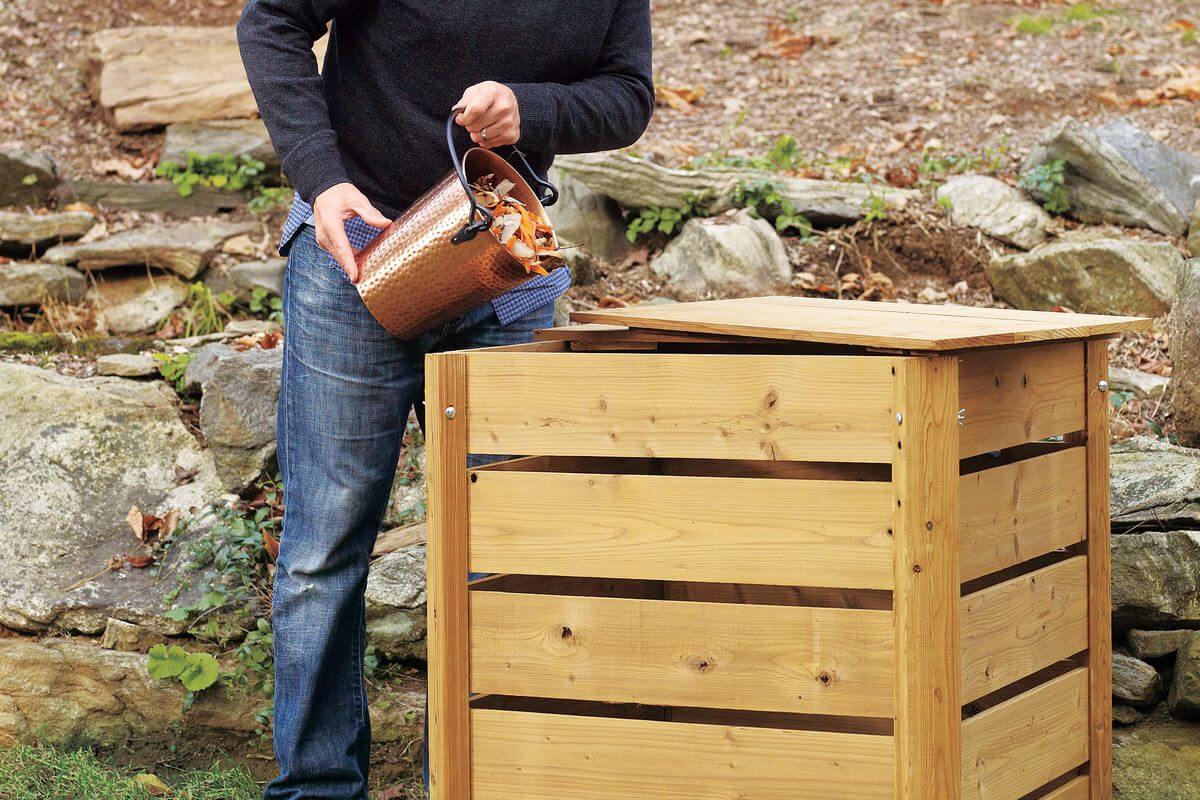
Turn Kitchen Scraps into Garden Gold: DIY Compost Bin for Small Spaces
Imagine a world where your food scraps don't end up in landfills but instead get transformed into nutrient-rich compost, ready to nourish your plants. It's not a dream, it's a reality you can create right in your own backyard or even on your balcony, even if you have limited space. This article will guide you through building a DIY compost bin that's both affordable and perfect for small spaces.
Why Compost?
Composting is an environmentally friendly way to reduce waste and create a natural fertilizer that's packed with essential nutrients for your plants. Here's why composting matters:
- Reduces Landfill Waste: Composting keeps food scraps and yard waste out of landfills, where they decompose and release harmful methane gas.
- Creates Nutrient-Rich Soil: Compost adds life back into your soil, making it healthier and more fertile for your plants.
- Saves You Money: Compost eliminates the need to buy expensive chemical fertilizers, saving you money in the long run.
The 3-Bin System: A Simple and Effective Solution
For small spaces, a three-bin system is ideal. This system allows you to keep your compost in different stages of decomposition, ensuring you always have finished compost ready to use.
Materials You'll Need:
- 3 Large Plastic Totes: Look for durable, food-grade totes with lids, about 30-gallon capacity.
- Drill with a 1/2-inch Drill Bit: To make drainage holes.
- Scissors: For cutting the lids.
- Heavy-Duty Mesh or Hardware Cloth: To create a layer for drainage and ventilation.
- Staple Gun or Wire Ties: To secure the mesh or hardware cloth.
Building Your 3-Bin System:
- Drill Drainage Holes: Drill several 1/2-inch holes in the bottom of each tote for drainage.
- Cut and Secure Mesh: Cut a piece of mesh or hardware cloth that fits snugly inside the bottom of one tote. Use a staple gun or wire ties to secure it in place. This will create a drainage layer and allow air circulation.
- Create a Ventilation Lid: Cut a large circle in the center of one tote lid. This opening will be the main ventilation point for your compost.
- Label Your Totes: Label each tote: "Green Bin" (for kitchen scraps), "Brown Bin" (for dry materials), and "Compost Bin" (for the finished compost).
Composting 101: Feeding Your Compost Bin
The key to successful composting is maintaining a good balance of "greens" and "browns." Here's what goes in each bin:
Green Bin (Kitchen Scraps):
- Fruit and vegetable scraps
- Coffee grounds and filters
- Tea bags
- Eggshells (crushed)
- Grass clippings
Brown Bin (Dry Materials):
- Shredded paper
- Dry leaves
- Straw
- Wood chips
- Sawdust (from untreated wood)
Maintaining Your Compost:
- Layer It Up: Add a layer of "greens" followed by a layer of "browns" to your green bin, keeping the overall mix moist.
- Turn It Over: Every few weeks, use a garden fork or shovel to turn the compost in your green bin. This helps aerate the mixture and speed up decomposition.
- Patience is Key: Composting takes time. You'll start seeing finished compost in about 3-6 months.
Using Your Finished Compost:
Once your compost is dark, crumbly, and smells like rich soil, it's ready to use. You can add it directly to your garden, plant containers, or even use it to start a new compost pile. Compost is a natural way to nourish your plants and create a healthier, more sustainable garden.
With a little effort and a few simple materials, you can transform your food scraps into a valuable resource for your garden. Embrace composting and join the movement towards a greener, more sustainable lifestyle, one small space at a time.
0 comments:
Post a Comment